

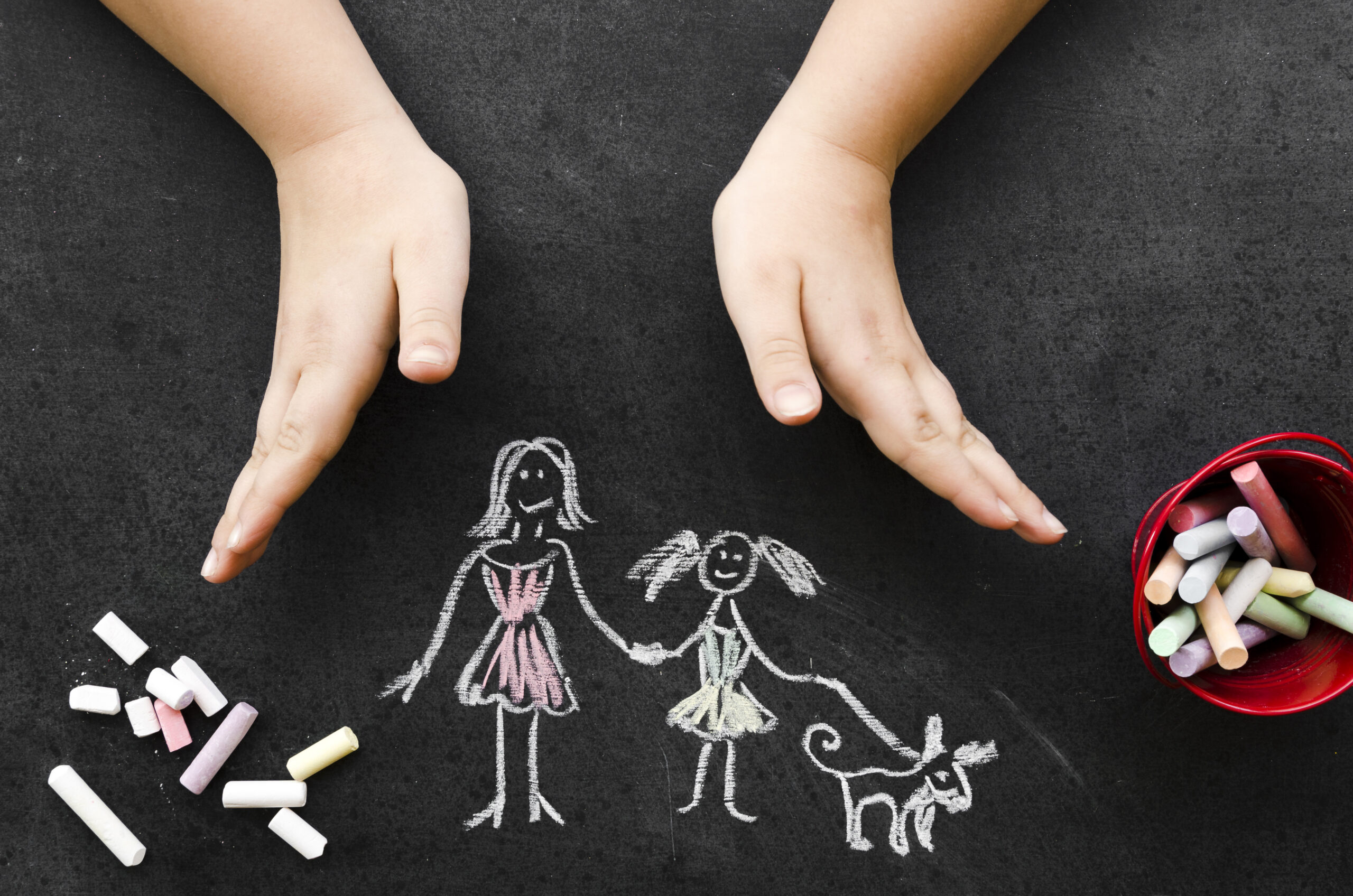
Drug abuse is not an individual problem alone — it affects the entire family. Addiction creates a ripple effect, damaging relationships, trust, and the emotional well-being of loved ones. Families often struggle silently, carrying the burden of pain, guilt, and helplessness as they watch someone they care about fall deeper into addiction.
How Addiction Affects Families
1. Broken Trust
One of the first casualties of addiction is trust. Addicts often lie about their behavior, hide their activities, or make false promises. Over time, family members begin to feel deceived, which weakens the emotional connection that holds the family together.
2. Emotional Strain
Parents, spouses, and children suffer great emotional turmoil when a loved one is addicted. They may feel fear for their safety, frustration over failed attempts to change behavior, and sadness as they watch their loved one drift further away. This constant stress can lead to anxiety, depression, and even health issues among family members.
3. Financial Burden
Drug addiction is expensive. Families often face severe financial strain due to money being spent on drugs, loss of employment, or mounting debts. Essential needs like education, healthcare, and household expenses may be neglected, creating more instability within the home.
4. Domestic Problems
Conflict becomes a daily reality in households affected by addiction. Arguments may escalate into violence, and responsibilities are often ignored. Children in such homes grow up in an unsafe environment, which affects their development, self-esteem, and social relationships.
5. Social Stigma
Families of addicts often face judgment from neighbors, relatives, and society at large. This stigma may cause them to withdraw from social circles, feeling isolated and ashamed. The result is a family cut off from the very support systems they desperately need.
Healing Family Bonds
Though addiction damages families, recovery and reconciliation are possible with the right approach.
- Open Conversations: Honest and calm discussions without blame can help rebuild trust. Families should express concern rather than anger.
- Counseling and Therapy: Family therapy provides a safe space for everyone to share their feelings and work toward solutions together.
- Support Groups: Families benefit from connecting with others who face similar struggles, gaining strength and hope through shared experiences.
- Education and Awareness: Learning about addiction helps families understand that it is a disease, not a moral failing, and encourages compassion over blame.
- Patience and Unity: Recovery is a long process. Families that remain united, supportive, and patient give their loved one the best chance at change.
Final Thought
Addiction tears families apart, but love and perseverance can bring them back together. Families play a vital role in recovery — offering stability, encouragement, and unconditional care. By standing strong together and seeking help, families can overcome the challenges of drug abuse and rebuild bonds based on trust, respect, and hope.